

Reverse Osmosis Maintenance Guide
Everything You Need to Know About RO System Maintenance
A reverse osmosis (RO) system is one of the most effective ways to provide your home with safe, clean, great-tasting drinking water. But like any water treatment system, it needs routine maintenance to keep performing at its best.
At Clear Water Filtration, Pump, and Well Services, we’re here to help you understand the maintenance your RO system needs. And if you’d rather leave it to the professionals, our team is always ready to handle it for you. With regular maintenance, your RO system will continue delivering the clean, high-quality water your family depends on.
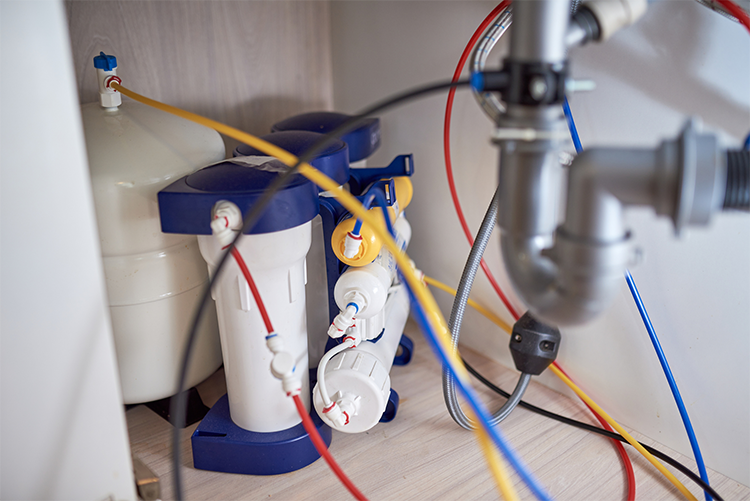

Why Maintenance Matters
RO systems work hard to filter out contaminants like sediment, chlorine, heavy metals, and more. Over time, filters and membranes become saturated and less effective — potentially allowing impurities to slip through. Routine maintenance not only protects your water quality but also prevents costly repairs or system failure.
Signs your RO system needs attention:
- Water tastes or smells off
- Reduced water flow
- Visible sediment or cloudiness
- Noisy system or hissing sounds
- It’s been more than 12 months since your last service
Basic RO System Maintenance Checklist
Routine maintenance doesn’t have to be complicated. Follow this checklist to help keep your reverse osmosis system running efficiently, protect your water quality, and extend the life of your investment.
- Change Pre-Filters Regularly Pre-filters trap larger particles like sediment and chlorine that could damage the RO membrane. Replace every 6 to 12 months depending on usage and water quality.
- Replace the RO Membrane The heart of your system, the semi-permeable membrane, typically lasts 2–3 years. If you notice slower water output or a change in taste, it may be time for a replacement.
- Post-Filter Replacement These carbon filters polish your water for taste and clarity. Replace every 12 months to ensure optimal water flavor.
- Sanitize the System At least once a year, your RO system should be fully sanitized. This prevents bacterial growth and keeps your unit safe and hygienic.
- Check for Leaks and Pressure Issues Look for signs of drips, low water pressure, or air in your lines. These could indicate wear on fittings or failing filters.
Affordable Maintenance Plans Available
Don’t want to keep track of filter changes and annual service? Our water filtration maintenance plans take the guesswork out of caring for your reverse osmosis system. We’ll help keep your system running efficiently with scheduled service, so you can enjoy clean, great-tasting water without the hassle.