

Signs You May Need a Water Softener
How a Water Softener Can Solve Hard Water Problems
Hard water is a common issue for many households — especially those relying on private wells or located in areas with mineral-rich groundwater. While it’s not hazardous to your health, hard water can be tough on your plumbing, appliances, skin, and even your wallet. Over time, it can create wear and tear that leads to higher maintenance costs and daily frustrations.
Not sure if your water is causing problems? Here are seven telltale signs your home could benefit from a water softening system — and why taking action now could save you time, money, and hassle down the road.
What Is Hard Water?
Hard water is water that contains high levels of dissolved minerals — primarily calcium and magnesium. While naturally occurring, these minerals can build up in your home’s plumbing and reduce the effectiveness of soaps and detergents. The more minerals present, the “harder” your water becomes.
This mineral content doesn’t just affect how things feel — it can also affect how your water behaves. Left untreated, hard water can shorten the lifespan of your appliances, damage fixtures, and cause skin irritation. That’s where a water softener comes in.
Signs It’s Time for a Water Softener
It’s common for several of these issues to be present at once when you’re dealing with hard water. If you’re struggling with any, it’s time to consider a water softener.
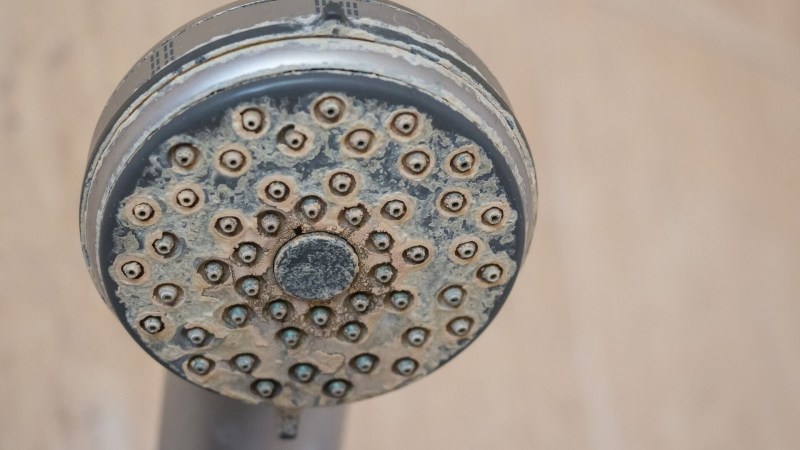
If you notice white, chalky buildup in your sinks, tubs, and showers — even after cleaning — that’s a clear indicator of hard water. This residue comes from the calcium left behind when hard water evaporates.
Hard water can strip moisture from your skin and hair. If your skin feels dry, itchy, or tight after a shower (especially during colder months), or your hair feels flat and rough, the culprit might be your water
Hard water isn’t always tasteless. If your water has a slightly metallic, earthy, or bitter aftertaste, or if it smells off, mineral content may be to blame — especially in well water systems.
Are your clean glasses still coming out of the dishwasher with streaks, foggy spots, or a film you can’t wipe off? Hard water minerals are likely bonding to your dishware.
Water heaters, dishwashers, and washing machines that operate with hard water have to work harder — leading to reduced efficiency and more breakdowns. Mineral scaling inside these machines can also lead to clogs and long-term damage.

How a Water Softener Helps
Water softeners work by removing calcium and magnesium ions from your water and replacing them with sodium or potassium. The result is “soft” water that doesn’t leave residue behind, rinses clean, and protects your plumbing and appliances from internal damage.
With softer water, you’ll:
- Use less soap, shampoo, and detergent
- Prevent stains and residue buildup
- Extend the lifespan of major appliances
- Improve skin and hair condition
- Reduce long-term repair and maintenance costs