

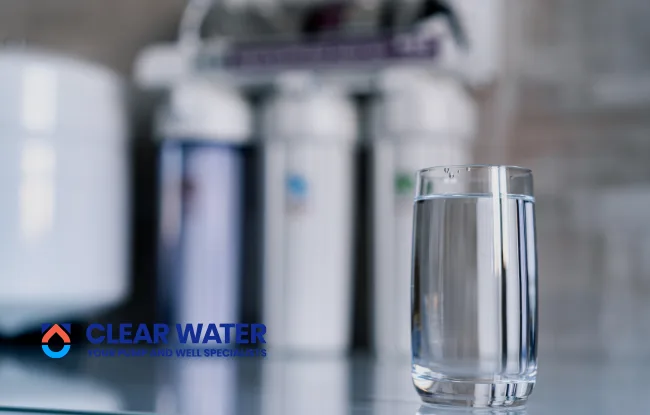
Reverse Osmosis Filter Replacement & Maintenance Schedule for Homeowners
Reverse osmosis (RO) systems are one of the most reliable ways to improve drinking water quality in homes that rely on well water. These systems remove dissolved contaminants, improve taste, and provide cleaner water for drinking and cooking.
However, reverse osmosis systems only perform well when their filters and components are maintained properly. Over time, filters collect sediment, minerals, and contaminants from your water supply. If they are not replaced regularly, the system’s performance can decline.
For homeowners in Massachusetts—especially those using private well water—understanding the proper reverse osmosis filter replacement schedule is essential for maintaining clean, safe drinking water.
Why Reverse Osmosis Filter Replacement Is Important
Reverse osmosis systems rely on multiple filtration stages working together to remove contaminants. Each filter plays a specific role in protecting the system and ensuring water quality.
When filters become clogged or worn out, several issues can occur:
- Reduced water flow from the faucet
- Poor taste or odor in drinking water
- Increased strain on the RO membrane
- Decreased contaminant removal
- Potential bacteria buildup inside the system
Regular filter replacement keeps the system functioning efficiently and helps extend the life of the more expensive RO membrane.
Understanding the Filters in a Reverse Osmosis System
Most residential reverse osmosis systems include three main filtration stages before and after the membrane.
Sediment Filter
The sediment filter is typically the first stage of filtration. Its job is to remove small particles such as:
- sand
- dirt
- rust
- sediment from well water
These particles can clog or damage the RO membrane if they are not removed first.
Because well water often contains sediment or mineral particles, this filter plays an important protective role
Reverse Osmosis Membrane
The RO membrane is the core component of the system. It removes dissolved contaminants that other filters cannot capture.
The membrane can reduce or remove substances such as:
- nitrates
- arsenic
- sodium
- dissolved minerals
- certain heavy metals
Because the membrane performs the most demanding filtration work, protecting it with properly maintained pre-filters is critical.
Carbon Pre-Filters
Carbon filters remove chemicals and organic compounds that affect taste and odor.
They also help remove substances that can damage the membrane, including chlorine or certain contaminants that may be present in some water supplies.
In many systems, one or two carbon filters are used before the water reaches the membrane.
Post Carbon Filter
The final stage is usually a post carbon filter, sometimes called a polishing filter.
This filter improves taste and removes any remaining odors before the water reaches the drinking faucet.
Recommended Reverse Osmosis Filter Replacement Schedule
Every 6–12 Months
Replace:
- sediment pre-filter
- carbon pre-filters
- post carbon filter
These filters work constantly to remove sediment and contaminants, so they typically require the most frequent replacement.
Homes with higher sediment levels or heavy water usage may need replacements closer to every six months.
Every 2–3 Years
Replace:
- reverse osmosis membrane
The membrane typically lasts several years, but its lifespan depends heavily on how well the pre-filters are maintained.
If pre-filters are not replaced on schedule, the membrane can fail much sooner.
During Filter Replacement
When filters are replaced, it is also a good opportunity to perform other maintenance tasks such as:
- sanitizing the system
- inspecting tubing and connections
- checking storage tank pressure
- ensuring there are no leaks
These small steps help keep the system operating efficiently.
Signs Your Reverse Osmosis Filters Need Replacement
Even with a maintenance schedule, homeowners may notice signs that filters need replacement sooner than expected.
Common indicators include:
Reduced Water Flow
If water trickles slowly from the RO faucet, clogged filters may be restricting the system.
Changes in Water Taste
If the water develops a strange taste or odor, the carbon filters may be exhausted.
Cloudy or Discolored Water
This may indicate sediment filter issues or air in the system.
System Running Constantly
If the system seems to run longer than normal, the membrane or filters may be struggling to process water.
When these issues occur, inspecting and replacing filters is often the first step in restoring proper performance.
How Well Water Affects Filter Replacement Frequency
Homes that rely on private wells often experience different water conditions than municipal water supplies.
Common well water characteristics in Massachusetts include:
- higher mineral content
- sediment from groundwater sources
- iron or manganese
- naturally occurring contaminants
These factors can cause filters to wear out faster than expected.
Regular water testing and professional system checks can help determine whether your replacement schedule should be adjusted.
How Well Water Affects Filter Replacement Frequency
Homes that rely on private wells often experience different water conditions than municipal water supplies.
Common well water characteristics in Massachusetts include:
- higher mineral content
- sediment from groundwater sources
- iron or manganese
- naturally occurring contaminants
These factors can cause filters to wear out faster than expected.
Regular water testing and professional system checks can help determine whether your replacement schedule should be adjusted.
Protect Your Home’s Drinking Water Quality
Our team helps homeowners across Massachusetts and Rhode Island keep their drinking water clean and dependable with professional testing, filtration solutions, and reverse osmosis system maintenance.
Call Us: 617-383-7867

Reverse Osmosis Filter Replacement FAQs
How often should reverse osmosis filters be replaced?
Most sediment and carbon filters should be replaced every 6 to 12 months. The exact timing depends on water quality, household water usage, and the design of the system.
How often does a reverse osmosis membrane need to be replaced?
In most residential systems, the membrane lasts between two and three years. However, poor maintenance or high sediment levels can shorten its lifespan.c
What happens if reverse osmosis filters are not replaced?
Clogged filters reduce water flow, decrease filtration performance, and can cause the membrane to fail prematurely.
Can homeowners replace reverse osmosis filters themselves?
Many systems allow homeowners to replace filters easily, but periodic professional inspection is recommended to ensure the system is functioning properly.
How do I know when my RO membrane is failing?
Signs of membrane failure may include poor water taste, higher levels of dissolved solids in the water, or a noticeable drop in filtration performance.
Does well water require more frequent RO maintenance?
Yes. Homes using well water often experience higher sediment or mineral levels, which can cause filters to wear out more quickly.