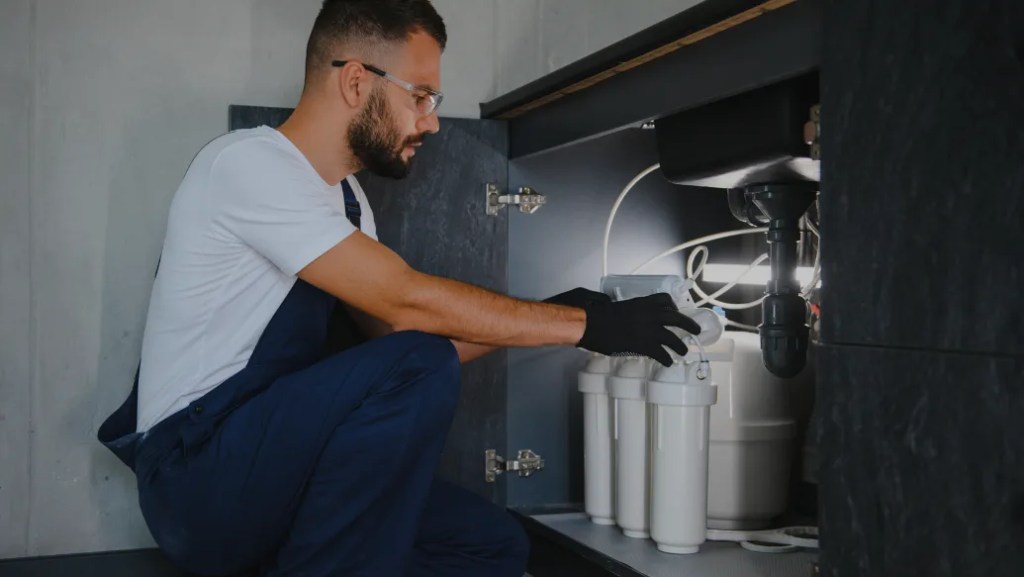
Simple solutions for the most common well water problems homeowners face
Well water quality can vary depending on your location, surrounding environment, and system maintenance. Many common issues—like hard water, odors, staining, or unseen contaminants—can affect not only your water’s taste and appearance but also your health and plumbing.
Below are the 10 most common well water problems and the proven solutions to address them:
Hard Water Treatment
Solution: Install a water softener to remove calcium and magnesium, preventing scale buildup, improving soap efficiency, and protecting plumbing and appliances.
PFAS Water Filtration
Solution: Use certified systems such as reverse osmosis or activated carbon filtration designed to reduce PFAS contaminants in drinking water.
Iron & Manganese Removal
Solution: Install an iron removal system or oxidizing filter. For lower levels, a water softener may also be effective.
Sulfur Smell (Rotten Egg Odor)
Solution: Use aeration, oxidation filters, or chlorination systems to eliminate hydrogen sulfide gas and remove odor.
Sediment Filtration
Solution: Install a sediment filter to remove sand, silt, and debris, protecting plumbing and improving water clarity.
Chlorine & Chemical Removal
Solution: Use an activated carbon filter to reduce chlorine, improve taste and odor, and remove certain chemicals.
Acidic Water Neutralizer
Solution: Install a calcite neutralizer to raise pH levels, preventing corrosion and protecting pipes and fixtures.
Bacteria & UV Purification
Solution: Install a UV purification system to eliminate bacteria and microorganisms, and disinfect the well if contamination is present.
Nitrate Removal
Solution: Use reverse osmosis or ion exchange systems to reduce nitrate levels and protect drinking water quality.
Lead & Heavy Metal Removal
Solution: Install reverse osmosis or specialized filtration systems to remove harmful metals from your water.
FAQs
My water looks clear—could it still be contaminated?
Yes. Many contaminants are invisible, odorless, and tasteless. The only way to know what’s in your water is through proper testing.
How often should I test my private well?
The EPA recommends testing your well water at least once a year, as water conditions can change over time. Clear Water tests through an independent lab, so results are transparent and any filtration we recommend is based on those lab results.
What should I do if my well water is contaminated?
Contact Clear Water. As licensed well drillers and pump installers, we can inspect, disinfect, and help restore your water quality.