

Update as of July 13, 2026: The Town of Norwell has lifted the boil water order after a second straight round of clean lab results. Tap water is back to normal — there’s no need to boil it before drinking, cooking, or brushing your teeth. The town is asking households to flush their plumbing before settling back into regular use — see the Town of Norwell’s official notice for details.
If you live in Norwell or nearby on the South Shore, you’ve probably heard about the boil water order issued this past week. We’ve been getting plenty of questions from homeowners concerned about the order and what it means for their water supply. So, we’ve put together this simple guide covering what happened, what you should do right now, and whether your home filtration system offered protection.
Norwell Boil Water Order at a Glance
Water sample collected: July 7, 2026
Boil water order issued: July 8, 2026
Reason for the order: E. coli detected in a routine water sample
Order lifted: July 11, 2026
Current status: Norwell tap water is safe to use normally
What Happened in Norwell?
On July 8, the Town of Norwell was notified that a routine water sample collected on July 7 tested positive for E. coli bacteria. Working with the Massachusetts Department of Environmental Protection (MassDEP), the town issued an immediate boil water order for customers served by the Norwell public water system. Local news outlets including WCVB have been covering the story as it developed.
E. coli in a drinking-water sample can indicate that the water may have been affected by fecal contamination. Possible causes can include runoff entering a water source, a problem within the distribution system, damaged infrastructure, or an issue during treatment.
The town began corrective measures, including flushing water mains, increasing chlorination, and conducting follow-up testing.
It’s important to note that the positive result was identified through routine monitoring. Public water systems are tested regularly so potential problems can be detected and addressed as quickly as possible.
What Should You Do During the Boil Water Order?
While the order was in effect from July 8 through July 11, residents were instructed to follow the guidelines below:
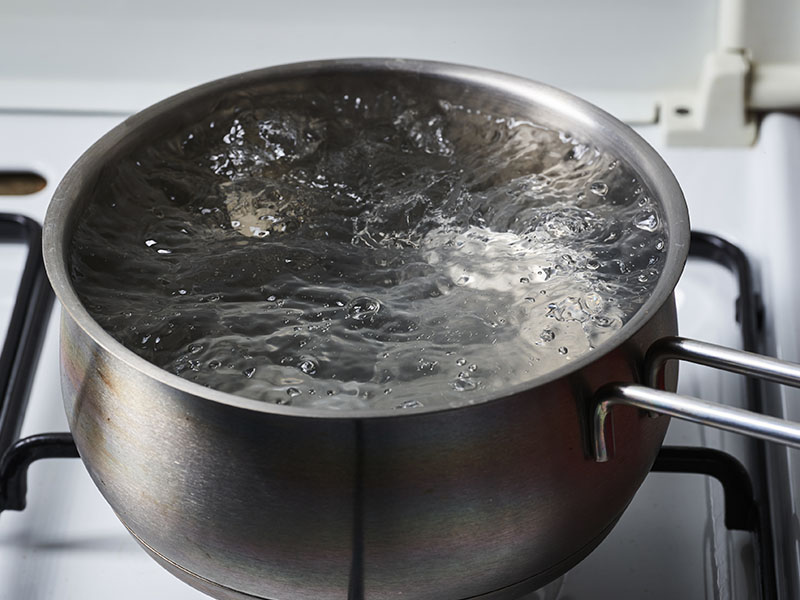
- Bring all tap water to a rolling boil for at least one full minute (then let it cool) before using it for drinking, making ice, food preparation, brushing teeth, or washing dishes — or use bottled water instead
- Discard ice, beverages, uncooked foods, and baby formula made with tap water during the affected period
- Use only prepared canned formula that doesn’t require added water for infants
- Give young children sponge baths instead of tub baths, and avoid swallowing water in the shower
- Give pets boiled (and cooled) or bottled water too
The full notice, including MassDEP’s detailed precautions for dishwashing, handwashing, and food prep, is available on the Town of Norwell’s website. If you have further questions, you can also contact Howard Tufts at the Norwell Water Department at 781-659-8076.
Now that the order has been lifted, don’t just turn the tap back on and forget about it — any water sitting in your pipes since the notice went out is still worth clearing. Let every faucet run for a minute or two, give the hot side extra time so the water heater cycles through, and put the dishwasher through one cycle before loading it with dishes. If you own a water treatment or filtration system, check with the manufacturer first — some units need a filter change or a sanitizing step after an event like this before they’re back to full performance.
Common Questions We’re Hearing
“I’ve got a refrigerator filter, pitcher filter, or home filtration system. Was I protected?”
Not necessarily.
Most refrigerator filters, faucet filters, and pitcher filters are designed to improve taste and reduce substances such as chlorine. They aren’t designed to disinfect water contaminated with bacteria.
Some advanced treatment systems may reduce microorganisms when they’re properly designed, installed, and maintained. However, household equipment doesn’t replace official public-health guidance during an active advisory.
“How long do boil water orders usually last?”
The length of a boil water order depends on the cause of the problem, the corrective work that’s required, and the results of follow-up laboratory testing. Norwell’s order lasted approximately three days. It was issued on July 8 and lifted on July 11 after testing confirmed that the water supply met safety standards.
Some advisories are resolved quickly, while others may remain in place longer if repairs or additional treatment are needed.
Is it safe to shower during a boil water order?
Adults and older children can generally shower as long as they’re careful not to swallow the water. Young children should be supervised closely. A sponge bath may be safer for children who are likely to put bathwater in their mouths.
People with open wounds, weakened immune systems, or specific medical concerns should follow the advice of their healthcare provider and local public-health officials.
Can I water my garden?
Most ornamental plants and lawns can be watered normally during a boil water order. Extra care may be appropriate when you’re watering fruits, vegetables, or herbs that will be eaten raw, especially if the water comes into direct contact with the edible portion of the plant.
You should follow the specific gardening guidance issued by the town or MassDEP during an active advisory.
How would I know if there were a problem with my water?
If your home is connected to a public water supply, it’s routinely monitored, and the law requires that customers are notified when certain water-quality problems are detected.
That’s how Norwell residents learned about this event. Private wells are different.
If You’re on a Private Well, This Is Your Reminder
Nobody tests a private well except the well owner. There’s no water department running routine samples on your behalf and no notice that shows up when something changes.
The same conditions the town cited as potential causes of bacterial contamination — heavy rain and runoff entering the water source — affect private wells too. That’s why it’s recommended to test your well water regularly, and any time there’s a change in taste, odor, or appearance, or after events like flooding or nearby construction.
If it’s been more than a year since your well was tested (or you can’t remember the last time), a basic bacteria test is inexpensive, fast, and gives you a reliable answer.
How to Protect Your Home Against Bacteria for the Long-Term
For homeowners who want continuous protection — most commonly private well owners, since wells aren’t covered by municipal treatment — there are established options worth knowing about:
- UV (ultraviolet) disinfection systems treat water as it enters your home, neutralizing bacteria like E. coli without adding chemicals. UV is a widely used approach for well water where bacteria is a concern.
- Reverse osmosis (RO) systems provide highly filtered drinking water at a dedicated tap.
- Whole-home filtration addresses broader water quality issues like sediment, taste, and odor.
The right answer depends entirely on your water source and what’s actually in your water — which is why testing comes first, not equipment. And again, during an active boil order, always follow the town’s guidance no matter what water treatment equipment you have.
Clear Water Filtration, Pump, & Well Services Is Here to Help
Water-quality events like this can be stressful, but Norwell’s boil water order was temporary, and the town has confirmed that the public water supply is safe to use again. If you’re a private-well owner, this is a good opportunity to think about when your water was last tested and whether your well and treatment equipment are being properly maintained.
Clear Water Filtration, Pump, & Well Services is available to help homeowners across Greater Boston and the South Shore with reliable water testing. Our technicians can explain your water quality results and ensure your water treatment setup is enough to address any concerns.
No pressure. No scare tactics. Just straightforward information from a local water treatment team.