

PFAS contamination continues to raise concerns across Massachusetts and Rhode Island, with proposed changes to drinking water regulations and growing research into potential health effects. As more attention is brought to these “forever chemicals,” you may be wondering whether they’re present in your home’s drinking water.
Whether you have town water or a private well, Clear Water Filtration, Pump & Well Service can help you understand your water quality and explore filtration solutions to reduce PFAS exposure.
Why Are PFAS a Concern for Homeowners?
PFAS, short for per- and polyfluoroalkyl substances, are manufactured chemicals used in certain nonstick cookware, water-resistant clothing, food packaging, and firefighting foams. They’re often called “forever chemicals” because many don’t break down easily and can remain in the environment for years.
Over time, PFAS can make their way into groundwater, rivers, and reservoirs that supply drinking water. Unlike iron or manganese, which can sometimes leave stains or affect how your water looks, PFAS don’t cause noticeable changes in taste, smell, or appearance.
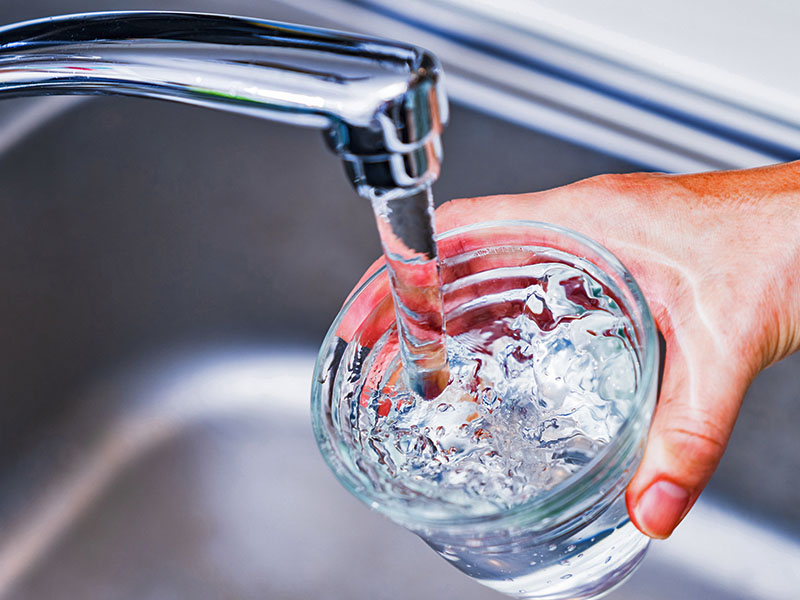
That means your water could look perfectly clear and still contain PFAS. Without laboratory testing, there’s no reliable way to know whether they’re present.
What Are the Potential Health Effects?
Researchers have linked exposure to certain PFAS with several health concerns, including:
- Increased cholesterol
- Changes in liver function
- Reduced immune response
- Reproductive and developmental concerns
- Increased risk of certain cancers
- Pregnancy-related complications
Finding PFAS in your water doesn’t automatically mean you’ll experience health problems. The risks depend on which chemicals are present, how much you’re exposed to, and how long that exposure continues.
Some PFAS can remain in your body for years, which makes long-term exposure a concern. While researchers continue to study the health effects of PFAS, reducing your exposure through drinking water is a practical step you can take to protect your household.
What Do Drinking Water Regulations Mean for You?
Massachusetts has established limits on PFAS in public drinking water, including a standard of 20 parts per trillion for six specific chemicals known as PFAS6. The Environmental Protection Agency (EPA) also set federal limits in 2024, although changes to some requirements were proposed in 2026.
Lawmakers considered additional PFAS restrictions in 2026, but the broader legislation didn’t pass before the formal legislative session ended in July.
While regulations establish standards for public water systems, they don’t immediately eliminate existing contamination. They also don’t provide private well owners with the same routine monitoring required of municipal suppliers.
Could Forever Chemicals Be in Your Drinking Water?
Both municipal water supplies and private wells can contain PFAS, but they’re monitored differently. Understanding how your water source is tested can help you determine what information is available and whether additional testing may be needed.
Municipal Water Supplies
If you receive town water, your local supplier is responsible for testing and meeting applicable drinking water standards. However, PFAS levels can vary between communities depending on their water sources and treatment systems.
Your supplier’s annual water quality report, also called a Consumer Confidence Report, is a good place to check for PFAS information. You can also contact the utility directly for recent testing results and information about any treatment measures in place.
Private Well Water
If your home has a private well, you’re generally responsible for arranging water quality testing. Unlike municipal systems, private wells don’t receive the same routine regulatory oversight.
The Massachusetts Department of Environmental Protection (MassDEP) recommends PFAS testing for private drinking water wells, especially those near known contamination sources. Your local health department may also have information about potential contamination in your area.
How Clear Water Helps You Understand Your Water Quality
If you’re concerned about forever chemicals, Clear Water can help you take the next step. We work with independent water testing laboratories to identify potential contamination and help homeowners understand their results.
Once you know what’s in your water, we’ll explain which treatment options may be appropriate for your home. Our recommendations take into account the contaminants detected, your water source, and any other water quality concerns.
What Does Water Testing Involve?
Not every water test checks for PFAS. Many standard tests look for common issues such as hardness, iron, manganese, pH, or bacteria, so you’ll want to make sure your testing includes forever chemicals.
Collecting the sample correctly also matters because certain everyday materials can accidentally contaminate it. Following the laboratory’s instructions helps ensure your results are accurate.
Your report will show which PFAS were found and how much of each was detected. These amounts are usually measured in parts per trillion, meaning even very small concentrations can be identified.
What Happens After You Get Your Results?
Different types of PFAS don’t all respond to filtration in the same way. Other water quality conditions may also affect how well certain treatment systems perform.
We’ll review these factors with you and recommend equipment designed to reduce the contaminants identified in your water. This helps you avoid investing in a filtration system that may not adequately address your concerns.
What Water Treatment Options Are Available?
If PFAS are found in your drinking water, there are effective filtration options available. Clear Water offers PFAS water treatment solutions, including whole-house activated carbon filtration and reverse osmosis systems.
Each option serves a different purpose, depending on where you want treated water available. We’ll help you compare them based on your household’s needs.
Whole-House Water Filtration
Whole-house filtration treats water as it enters your home, rather than at just one faucet. This is an excellent option if you want improved water quality throughout your home.
Activated carbon filtration uses specialized material to capture certain contaminants as water passes through it. It’s particularly effective at reducing many longer-chain PFAS, including PFOA and PFOS.
Our team can recommend and install a whole-house system that’s properly sized for your household’s water usage. We’ll also explain the maintenance needed to keep the filtration media working effectively.
Reverse Osmosis for Drinking Water
If you’re mainly concerned about the water your family drinks and cooks with, a reverse osmosis system is a practical choice. These systems are typically installed under the kitchen sink and provide treated water through a separate faucet.
Reverse osmosis uses a specialized membrane to reduce a wide range of contaminants, including many short- and long-chain PFAS. It offers targeted treatment for drinking water without requiring filtration at every faucet.
We can help you determine whether reverse osmosis is the right fit and handle the installation. We’ll also explain when filters and membranes need replacing to maintain performance.
Get Help With PFAS in Your Drinking Water
You don’t have to wait for PFAS regulations to change before addressing concerns about your drinking water. Understanding your water quality and choosing appropriate treatment can help you reduce exposure to forever chemicals.
Clear Water Filtration, Pump & Well Service helps Massachusetts and Rhode Island homeowners find filtration solutions suited to their water conditions and household needs. Whether you rely on town water or a private well, our team can guide you through testing, treatment recommendations, and professional installation.
Concerned about PFAS in your drinking water? Contact Clear Water today to discuss water testing and treatment options for your home.